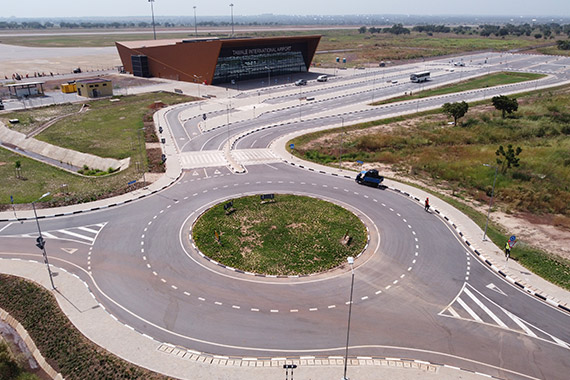
Tamale International Airport Terminal

GHANA

Play Video

Project justification

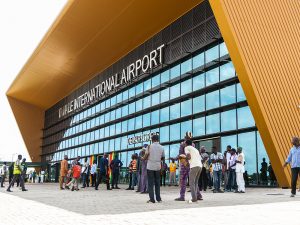
Tamale is the capital of the Northern Region of Ghana, the third largest city after Accra and Kumasi. Its International Airport was in need of expansion, as the city is the epicentre of pilgrimage to Mecca. It is certainly an opportunity for improvement for the city and its inhabitants. 

Scope of Works

In this project, the following work has been carried out:

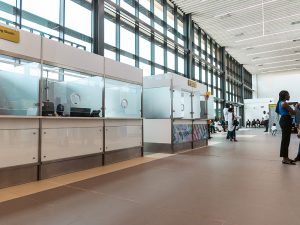
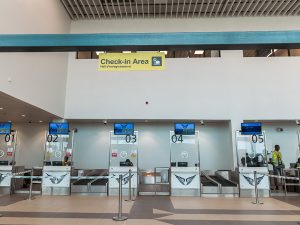
  • 5000 m² terminal with the possibility of expansion; capacity for 200 simultaneous passengers per hour and direction; 8 check-in desks and 4 self-service check-in desks; 2 boarding gates.
  • Airport Management System and Equipment for integrated passenger and baggage handling.
  • Multi-purpose building of 1,000 m², with capacity to accommodate pilgrims travelling to Mecca during the Hajj season; as well as fairs, congresses and events during the rest of the year.
  • Environmental and social impact assessment, including permitting and a Livelihood Restoration Plan.
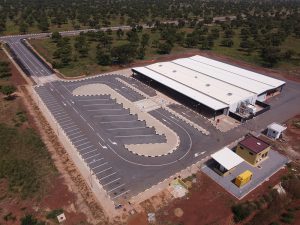
  • Parking.
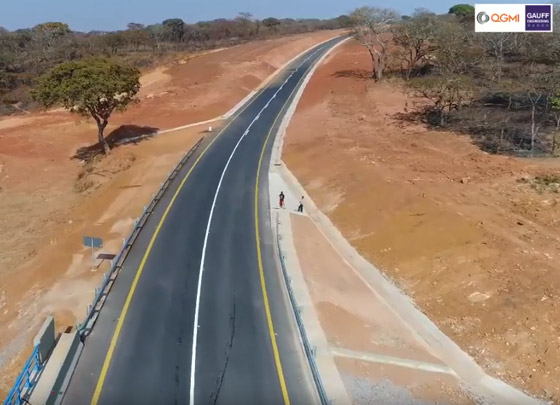
  • Access and local roads.
  • Infrastructure suitable for large aircraft.
  • Electricity supply.
  • Water, electricity and sewerage infrastructure. 
Sustainability

We carried out the airport expansion in accordance with the IFC’s Environmental and Social Performance Standards. We are working with a clear purpose: to improve the quality of life of the region’s inhabitants, in addition to promoting the development of the country’s mobility and infrastructure. 
For more information about the Project,
get in touch through our Contact Us page.

Scroll to Top

Third Party Risk Management

Our Third-Party Risk Management System is designed to act preventively in identifying third parties and managing associated risks. It is an electronic, automated, and parameterised system integrated into our payment platform, enabling almost instantaneous screening of the reputational and financial aspects of third parties at the contracting stage. In this way, we support the procurement area in identifying the best suppliers in the market—those who share QGMI’s commitment to quality and social responsibility—while reducing our exposure to third-party risk. Our decentralised due diligence process allows the organisation to operate with confidence in the markets where it is present. 

Waste Management

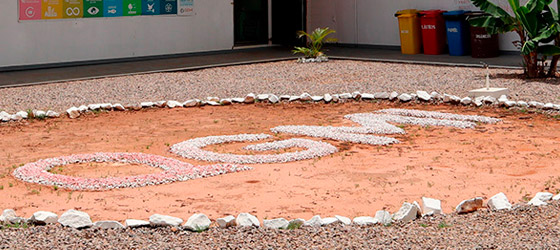
We manage waste in an integrated manner by separating it, processing it through composting, and evaluating its flows. The compost produced is reused in reforestation projects.

GPS Control System

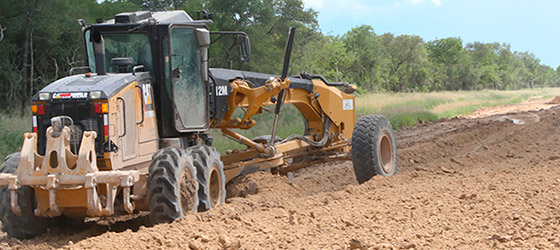
This control system enables operators to level and move earth with greater precision and speed, resulting in increased productivity, lower operating costs, and high-quality results.

SAE (Electronic Monitoring System)

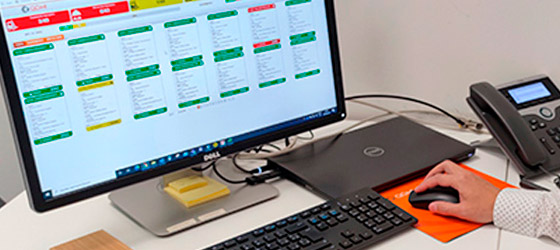
Developed by our IT team, the SAE monitors the activities and working hours of both personnel and equipment in real time, reducing the time required to access performance indicators. It includes an application that reads QR codes assigned to equipment and staff and works even when no network is available. Benefits include improved cost management, enhanced productivity control, and a positive contribution to environmental sustainability.

QGMI Corporate
Privacy Overview

This website uses cookies so that we can provide you with the best user experience possible. Cookie information is stored in your browser and performs functions such as recognising you when you return to our website and helping our team to understand which sections of the website you find most interesting and useful.